Parliament Vows Enhanced Support for Kenya's Police Training Infrastructure
Lawmakers commit to boosting resources for facilities across the nation, emphasizing standardized training for National Police Reservists.
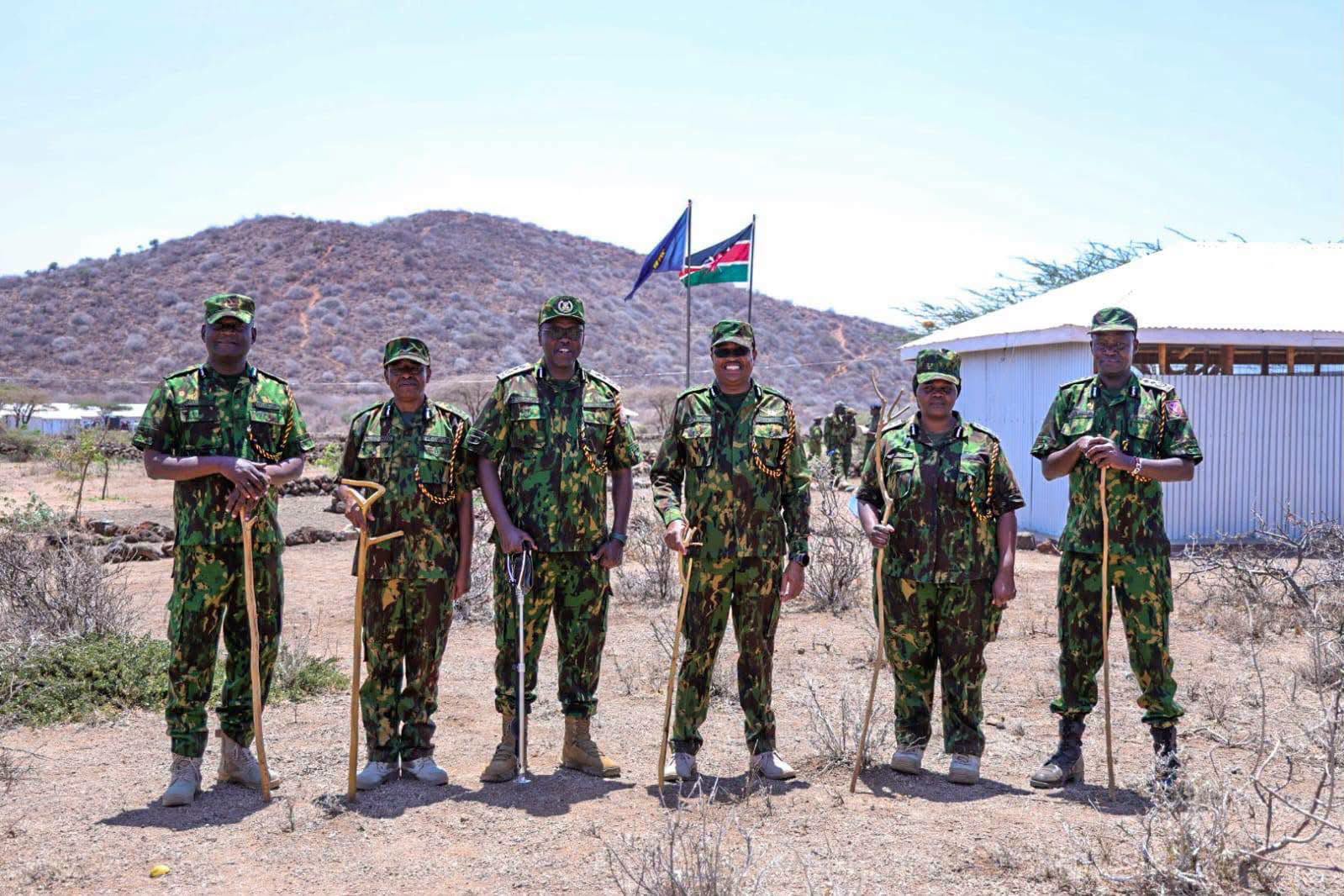
The National Assembly Departmental Committee on Administration and Internal Security has pledged its full backing to initiatives aimed at securing additional funding for the upgrade and expansion of police training facilities across Kenya. This commitment underscores a parliamentary resolve to bolster the capabilities of the nation's law enforcement agencies, a crucial step for maintaining peace and order in a region often grappling with diverse security challenges.
The pledge was articulated on Saturday by the committee, led by Narok West MP Gabriel Tongoyo, following an extensive inspection of two pivotal training sites in Igembe North, Meru County: the Kenya Police Service's (KPS) Magado Field Campus and the Administration Police Service's (APS) Lii Field Training Camp. This visit formed part of the committee’s ongoing budget implementation oversight tours, designed to evaluate the current state of security infrastructure and the efficacy of resource allocation. Other legislators on the tour included Sotik MP Francis Sigei, Nyakach MP Aduma Owuor, and Teso North MP Oku Kaunya.
During the assessment of the facilities’ infrastructure and their readiness to accommodate and train police personnel and National Police Reservists (NPRs), Chairperson Tongoyo affirmed that the committee would leverage Parliament's oversight and budgetary mechanisms to rectify identified deficiencies. "As a committee, we are here to see for ourselves the progress that has been made, the challenges facing this facilities and what needs to be done to make it more effective," Tongoyo stated, stressing Parliament's constitutional duty to ensure security institutions are adequately resourced. He further elaborated that effective policing necessitates comprehensive investment, not just in personnel, but also in their training, accommodation, equipment, and other operational provisions.
The Magado Field Campus is increasingly central to the training of NPRs, with 700 reservists from various counties and conservancies recently reporting for an intensive one-month program. This centralized approach marks a significant departure from the previous localized training model, aiming to provide NPRs with a more standardized curriculum and uniform instruction before their deployment to support security operations in their respective areas. This standardization is vital for enhancing coordination and professionalism among reservists, who play a critical role in complementing national security efforts, particularly in Kenya's remote and challenging regions.
Deputy Inspector General of the Kenya Police Service, Eliud Lagat, who hosted the lawmakers at Magado, addressed the newly arrived NPRs. He emphasized the gravity of their upcoming duties, urging them to approach the program with utmost seriousness and dedication. "You have been brought here because of the responsibility that awaits you. Take this training seriously. Use every opportunity you have here to acquire the skills and knowledge that will help you serve your communities effectively," Lagat advised. He underscored the necessity of discipline throughout the training, noting its importance in preparing them for their security responsibilities.
Prior to the Magado visit, the committee also inspected the Lii Field Training Camp, operated by the Administration Police Service. Deputy Inspector General of the APS, Gilbert Masengeli, briefed the legislators on the five-month-old facility's pivotal role in preparing officers for deployment in an increasingly complex security environment. Masengeli highlighted that continuous investment in training infrastructure is fundamental to strengthening the APS's capabilities, ensuring officers possess the requisite skills and discipline. He welcomed parliamentary oversight as a crucial avenue for identifying and addressing areas requiring attention within the security sector.
Tongoyo further assured the reservists that Parliament remains acutely aware of the difficulties faced by security personnel operating in arduous and isolated areas. "As Parliament, we are not only concerned about the training you receive. We are also concerned about your welfare, the equipment available to you and the environment in which you will be expected to work," he affirmed. The committee’s commitment to improving these vital facilities is expected to significantly enhance Kenya's security posture, benefiting communities across the nation. (Source: Kahawa Tungu)