Kenya's Electoral Body Sets 2027 General Election Date, Outlines Key Campaign Rules
IEBC publishes critical timelines and legal frameworks, warning against premature political activities and electoral offenses.
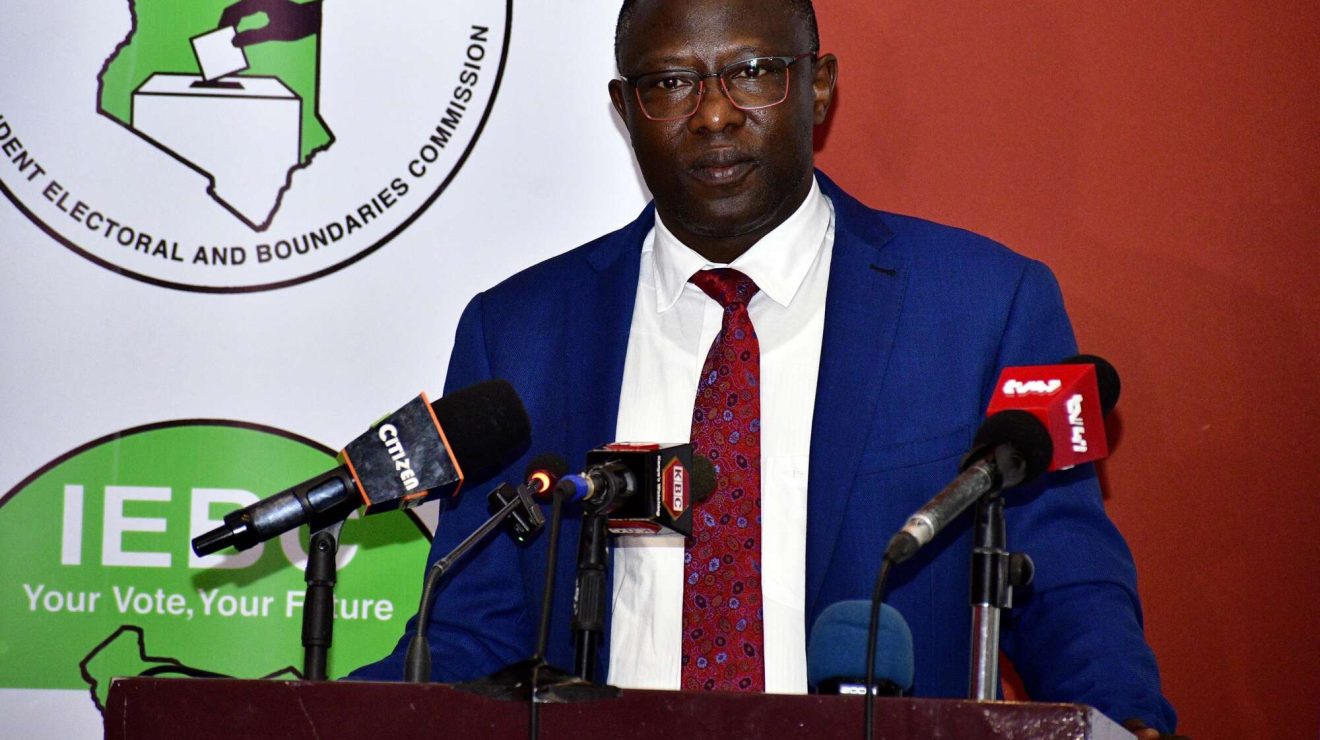
The Independent Electoral and Boundaries Commission (IEBC) has formally commenced the electoral cycle for Kenya's next General Election, slated for Tuesday, August 10, 2027. This declaration, made public through Kenya Gazette Notice No. 13497, signifies the activation of two pivotal legal instruments: the Electoral Code of Conduct and the Election Offences Act, both fundamental to ensuring a fair and credible poll.
Among the key directives issued by the electoral body is a strict deadline for public officers intending to vie for elective positions. Any individual holding public office who plans to contest in the 2027 elections must resign by Wednesday, February 10, 2027. This crucial date falls precisely six months prior to Election Day, underscoring the commission's commitment to creating a level playing field for all aspirants.
The IEBC has also precisely defined the official campaign window. Political campaigns for the 2027 General Election are permitted to commence upon a candidate's registration by the Commission, but no earlier than May 29, 2027. All campaigning activities must conclude by August 7, 2027, which is 48 hours before the polls open. The commission explicitly stated that any form of campaigning outside this prescribed period, including the display of posters, caravans, billboards, and other promotional materials, is unlawful.
This firm stance on campaign timelines presents a significant challenge for both the IEBC and the political class, particularly in a country where political activities often begin well in advance of official periods. The commission has pledged to take appropriate action against violations of electoral laws and regulations, even as it acknowledges that such infractions are already occurring openly without apparent consequences. This highlights a critical enforcement gap that needs addressing to uphold the integrity of the electoral process, a matter of paramount importance for Kenya's democratic stability.
Further emphasizing the sanctity of the electoral process, the IEBC has called upon the National Police Service and the Office of the Director of Public Prosecution (ODPP) to rigorously enforce the Election Offences Act, 2016. This comprehensive legislation criminalizes a range of activities designed to undermine the integrity and credibility of elections, including bribery, violence, intimidation, multiple voting, and interference with electoral processes. The commission noted with concern that some of these prohibited actions are already manifesting across the country, necessitating proactive intervention from law enforcement and judicial authorities.
These announcements are vital for Kenya, East Africa, and the wider African continent, serving as a blueprint for transparent and orderly electoral processes. The clear demarcation of timelines and the emphasis on legal compliance are crucial steps towards fostering a more accountable and democratic political environment in the region.
This report is based on information from NTV Kenya.