Luigi Mangione Admits to Murdering UnitedHealthcare CEO, Pleads Guilty to Federal Charges
The 28-year-old confessed in court to the premeditated killing of Brian Thompson, stating his actions were driven by years of frustration with the healthcare system.
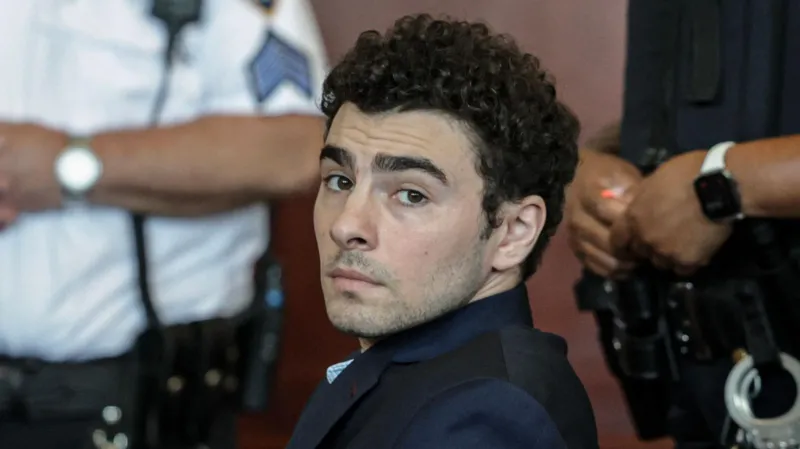
Luigi Mangione, 28, has confessed to the killing of UnitedHealthcare CEO Brian Thompson, formally entering a guilty plea to federal charges of interstate stalking resulting in death. Appearing in Manhattan federal court on Friday, Mangione directly admitted, “I shot Mr Thompson in Manhattan and he died,” confirming his responsibility for the high-profile assassination.
Brian Thompson, a 50-year-old father of two, was fatally shot from behind on December 4, 2024, as he entered a hotel in midtown Manhattan. Following Mangione's plea, Thompson's family released a statement, describing the development as “an important step toward justice for Brian and for our family,” acknowledging the difficult journey ahead.
During the solemn court proceedings, Mangione, dressed in a beige prison uniform, detailed his premeditated actions. He admitted to planning the assault in advance, crossing state lines with the express intent to kill, and using a firearm he had produced on a 3-D printer, complete with a silencer and an extended magazine. His motive, he told the court, stemmed from his personal ordeal with the healthcare system, “after years of enduring severe pains from a broken back.”
Mangione recounted how he learned of UnitedHealthcare’s annual investor conference scheduled for December 2024 in Manhattan, prompting him to travel to New York for the event. Prior to the conference, he emailed UnitedHealthcare, “posing as an an investor” and inquiring about the gathering. He explicitly stated his intent in court: “I emailed UnitedHealthcare with the intent to shoot Brian Thompson. On the morning of Dec. 4, 2024 I shot Mr. Thompson in Manhattan in his back.”
For the federal charges, Mangione faces a maximum sentence of life in prison. While prosecutors have recommended a sentence of 24-30 years, Judge Margaret Garnett clarified in court that she holds the ultimate authority over sentencing, which is scheduled for December 18. She also informed Mangione that the federal system does not permit parole, and financial penalties could be imposed.
Beyond the federal case, Mangione still faces state charges related to Thompson’s death, though his lawyers are seeking their dismissal following his federal guilty plea. Thompson’s family has affirmed their commitment to pursuing justice in both New York state and Pennsylvania, where Mangione was apprehended. They expressed gratitude for the federal justice system’s accountability in their statement, adding, “Now we look to the court to ensure that sentencing reflects the severity of this crime.”
This case, highlighting extreme reactions to personal healthcare experiences, resonates globally, including for readers in Kenya and across East Africa, where debates around healthcare access, quality, and reform are ongoing. The pursuit of justice for such a high-profile crime underscores universal legal principles and the impact of individual grievances on public safety.
This report was compiled from information initially published by KBC Digital.