American Travelers Prioritize Getaways Despite Soaring Costs, Economic Gap Narrows
New reports indicate strong commitment to end-of-summer trips, with cruise-linked destinations topping the list and a notable shift in household spending dynamics.
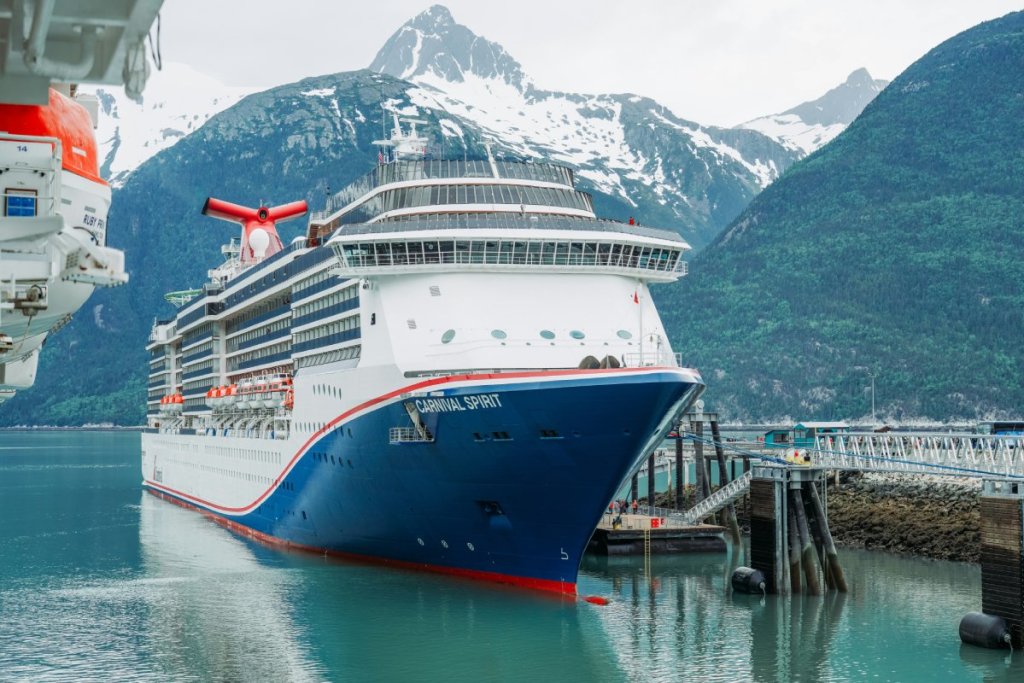
American consumers are demonstrating a steadfast commitment to travel, even as prices for airfare and gasoline continue to rise. As the summer season draws to a close, various studies indicate that many individuals are determined to embark on one final excursion, whether a road trip or a cruise, for the three-day Labor Day holiday weekend. This resilience in consumer behaviour offers valuable insights into discretionary spending patterns, relevant for markets worldwide, including those in East Africa that rely on tourism.
Destinations with strong ties to the cruise industry are particularly popular for the holiday period. Cities such as Seattle, Anchorage, and Vancouver feature prominently among the top choices for travelers. Additionally, major urban centers like Las Vegas and Denver, both strategically located near renowned national parks, have also made the list of preferred Labor Day getaways, highlighting a diverse range of recreational interests.
This sustained travel intent aligns with broader trends observed throughout the summer. Earlier research from Bank of America revealed that a substantial 77% of Americans had planned to travel during the summer months, marking an increase from 74% in the preceding year. This upward trajectory underscores a robust desire for leisure and exploration among the populace.
Historically, the surge in travel expenditure has predominantly been driven by higher-income households, creating what economists refer to as a "K-shaped" spending pattern. This phenomenon, where different economic segments recover or grow at varying rates, has been a persistent feature in post-pandemic consumer behavior.
However, recent findings suggest a notable shift in this dynamic. While these K-shaped spending patterns still exist, Bank of America's August report indicated that the gap between high and lower-income households regarding travel spending has begun to narrow since May. This development points to a potentially broader base of participation in the travel sector, signaling a more inclusive recovery in consumer confidence and discretionary spending, a trend that could eventually influence global tourism and economic outlooks.
This report draws on analysis originally published by Skift Travel News.