Bill Paxton's Enduring Legacy: A $25 Million Career Cut Short
Remembering the versatile actor, director, and producer whose four-decade journey through Hollywood left an indelible mark on global cinema and television.
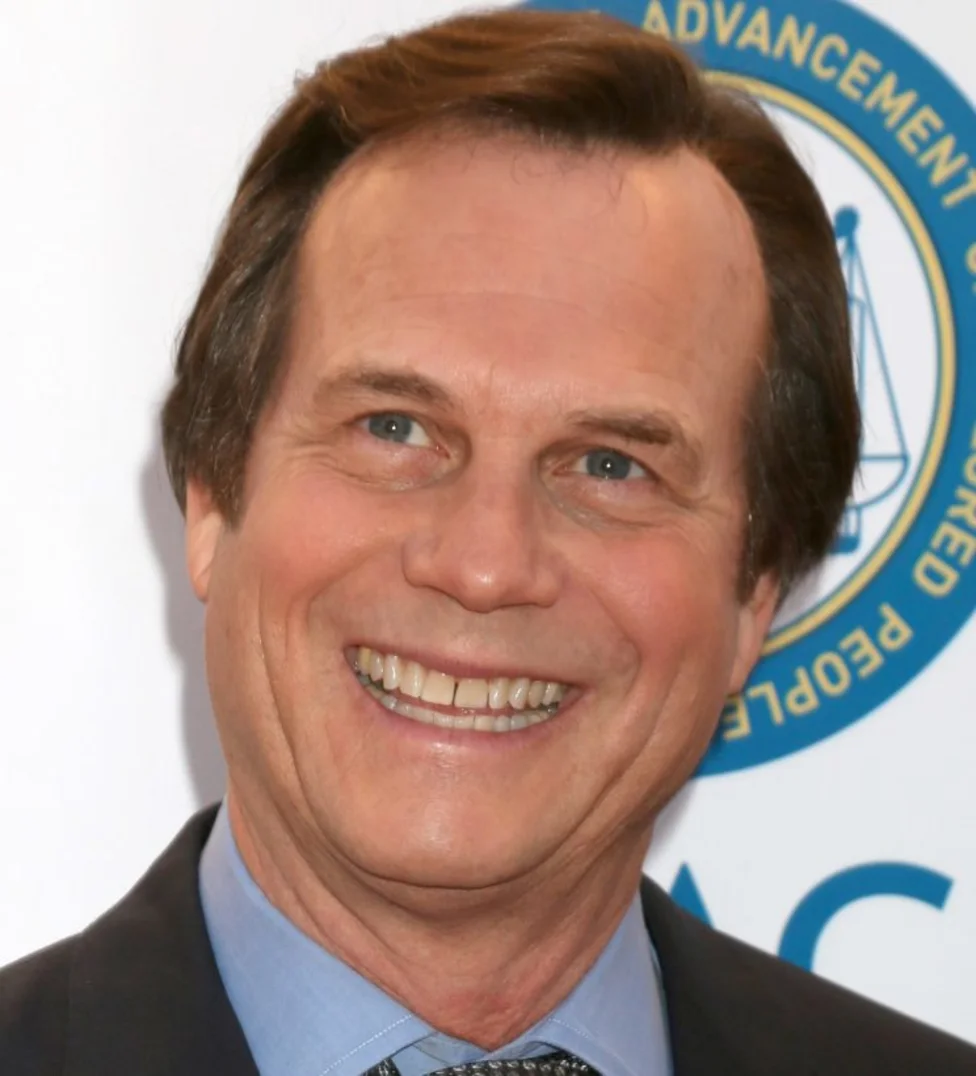
Bill Paxton, the acclaimed American actor, producer, and film director, left behind an estimated net worth of $25 million at the time of his death in 2017. His fortune was amassed over a distinguished career spanning more than four decades, during which he graced major Hollywood productions, popular television series, and even ventured into video games. Paxton's work resonated globally, making him a recognizable face in entertainment for audiences worldwide, including those across Kenya and East Africa, where his films frequently played in cinemas and on home entertainment platforms.
Born William Paxton on May 17, 1955, in Fort Worth, Texas, he harbored early ambitions of becoming a filmmaker. Despite facing rejections from several film schools in California, a young Paxton, who had attended Richmond College in England and worked in prop and art departments, eventually pivoted to acting. This shift proved serendipitous, leading to early appearances in films like The Terminator as a punk and a more significant role in Weird Science. His career received a pivotal boost in 1986 with his memorable portrayal of Private William Hudson in James Cameron's sci-fi classic Aliens, a role that earned him a Saturn Award nomination and cemented a long-standing professional relationship with Cameron.
The 1990s marked a particularly prolific period for Paxton. He starred in a string of commercially successful and critically acclaimed films, including Tombstone, Apollo 13, and A Simple Plan. In 1996, he took on the lead role of Bill Harding in the blockbuster disaster film Twister. His collaborations with James Cameron continued with roles in 1994's True Lies and, most famously, as Brock Lovett in the 1997 epic Titanic. Later in his career, he continued to appear in notable productions such as U-571, Vertical Limit, and Edge of Tomorrow, showcasing his versatility across genres.
Beyond the big screen, Paxton cultivated a highly successful television career. His most iconic small-screen role was as Bill Henrickson, a man in a polygamist family, in HBO’s drama series Big Love. The series, which ran from 2006 to 2011, earned him three Golden Globe nominations and critical praise for his nuanced performance. He also featured in other television projects including Hatfields & McCoys, Training Day, and Agents of S.H.I.E.L.D., further demonstrating his ability to excel in diverse formats.
Paxton never fully abandoned his initial dream of filmmaking. He made his feature directorial debut with the psychological thriller Frailty in 2001, in which he also starred alongside Matthew McConaughey. He later directed the 2005 sports drama The Greatest Game Ever Played, about golfer Francis Ouimet. His creative endeavors extended to music, forming the new wave band Martini Ranch, and voice acting, contributing to video games like Call of Duty: Modern Warfare. His multifaceted career offers an inspiring narrative for aspiring creatives globally, highlighting the value of perseverance and diversifying one's talents.
In his personal life, Paxton was first married to actress Kelly Rowan in 1979 for a brief period. In 1987, he married Louise Newbury, with whom he had two children, and they remained together until his passing. He spent much of his later life at a 2.5-acre property in Ojai, California, valued between $4 million and $6 million, which formed a significant part of his estate.
Bill Paxton passed away on February 25, 2017, at the age of 61. His death followed complications from open-heart surgery, performed to repair a damaged heart valve linked to rheumatic fever he had contracted as a child. He suffered a fatal stroke eleven days post-surgery. His untimely death marked the end of a remarkable career that left an indelible mark on Hollywood, remembered for his distinctive performances and his journey from aspiring filmmaker to a beloved global entertainment icon, as originally reported by Kahawa Tungu.