Harry Belafonte: The Enduring Legacy of an Artist and Activist Valued at $30 Million
From groundbreaking music to pivotal civil rights advocacy, we reflect on the life and estimated estate of a global icon.
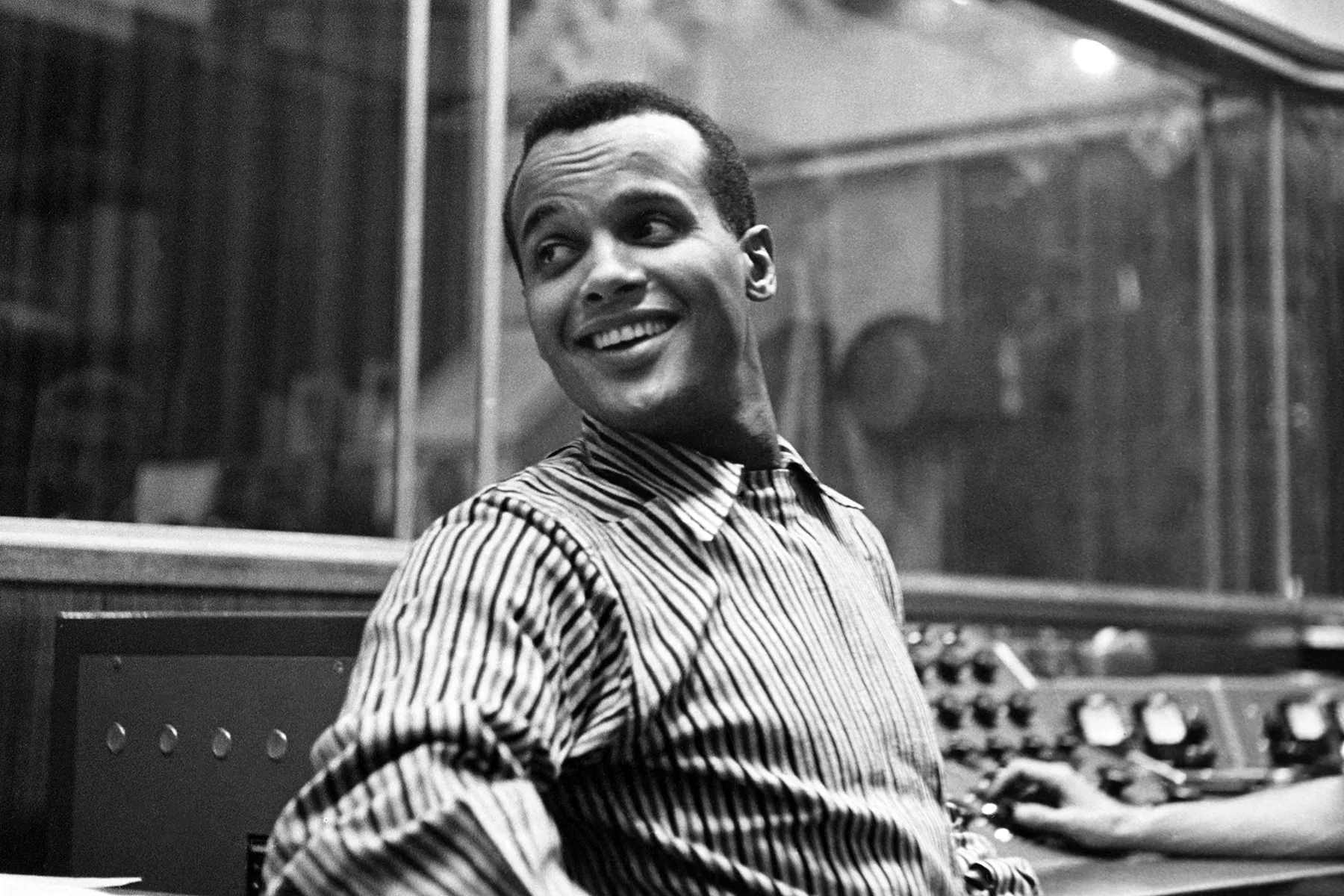
Harry Belafonte, an American luminary celebrated for his extraordinary talents as a singer, actor, and social activist, amassed an estimated net worth of $30 million at the time of his death in 2023. His considerable fortune was built upon a highly successful career spanning music and film, complemented by earnings from extensive tours, film production ventures, and strategic investments.
Born Harold George Bellanfanti Jr. on March 1, 1927, in New York City to parents of Jamaican heritage, Belafonte's early life included formative years spent with his grandmother in Jamaica, attending Wolmer’s Schools. After serving in the United States Navy during World War II, his passion for performance ignited, leading him to study at the New School’s Dramatic Workshop and perform with the American Negro Theater.
His musical career soared to international heights, notably popularizing calypso music. His 1956 album, Calypso, featuring iconic tracks like “Day-O (Banana Boat Song)” and “Jamaica Farewell,” made history as the first album by a solo artist to sell over one million copies. This success established him as one of the highest-paid Black entertainers in the U.S. during the late 1950s and early 1960s. His connection to African music was further cemented through his Grammy-winning 1965 album, An Evening with Belafonte/Makeba, a collaboration with South African singer Miriam Makeba.
Beyond the stage and studio, Belafonte's influence extended profoundly into social justice. A close confidant and financial supporter of Dr. Martin Luther King Jr., he played a pivotal role in the American Civil Rights Movement, aiding Freedom Rides and the 1963 March on Washington, and providing crucial support to King's family after his assassination. His activism transcended national borders, becoming a vocal opponent of apartheid in South Africa—a stance reflected in his 1980s album, Paradise in Gazankulu. He co-organized the 1985 charity supergroup USA for Africa, which produced “We Are the World” to raise funds for famine relief in Africa, and became a UNICEF Goodwill Ambassador in 1987, focusing on global issues like child welfare, poverty, and HIV/AIDS, all highly relevant to our African readership.
Belafonte’s acting career was equally distinguished, starting with his 1953 debut in Bright Road alongside Dorothy Dandridge, and their reunion in Carmen Jones (1954). He appeared in significant films such as Island in the Sun and later collaborated with Sidney Poitier in Buck and the Preacher and Uptown Saturday Night. His later roles included appearances in White Man’s Burden (1995), Kansas City (1996), Bobby, and Spike Lee’s acclaimed 2018 film BlacKkKlansman, where he portrayed an elderly civil rights leader.
His financial acumen was also evident in his real estate ventures. In 1958, facing racial discrimination while seeking an apartment, Belafonte and partners acquired an entire building at 300 West End Avenue in New York, converting it into a cooperative. His expansive 7,000-square-foot, 21-room residence on the fifth floor became a vital meeting place for civil rights leaders, including Dr. King. He eventually sold this apartment for $10.75 million in 2009. Additionally, he owned a 3.3-acre property on the Caribbean island of St. Martin, which he sold for approximately $2.2 million in 2005.
Harry Belafonte passed away on April 25, 2023, at his New York City apartment, at the age of 96. His death marked the end of an era for an entertainer who seamlessly blended artistic brilliance with unwavering commitment to social justice, leaving an enduring legacy as a cultural and humanitarian giant, as detailed by Kahawa Tungu.