Bodaboda Riders Petition Parliament to Probe Mogo Auto - Kahawatungu
This story has significance for readers across Kenya and beyond.
The Kenya Bodaboda Riders and Owners Association has petitioned Parliament to investigate alleged unfair lending and asset financing practices by Mogo Auto Limited following complaints from motorcycle owners and borrowers.
The petition, presented by the association’s National Executive Chairperson Charles Gichira, raises concerns over interest rates, additional loan charges, asset repossession, ownership documents and the treatment of borrowers who default on financed motorcycles.
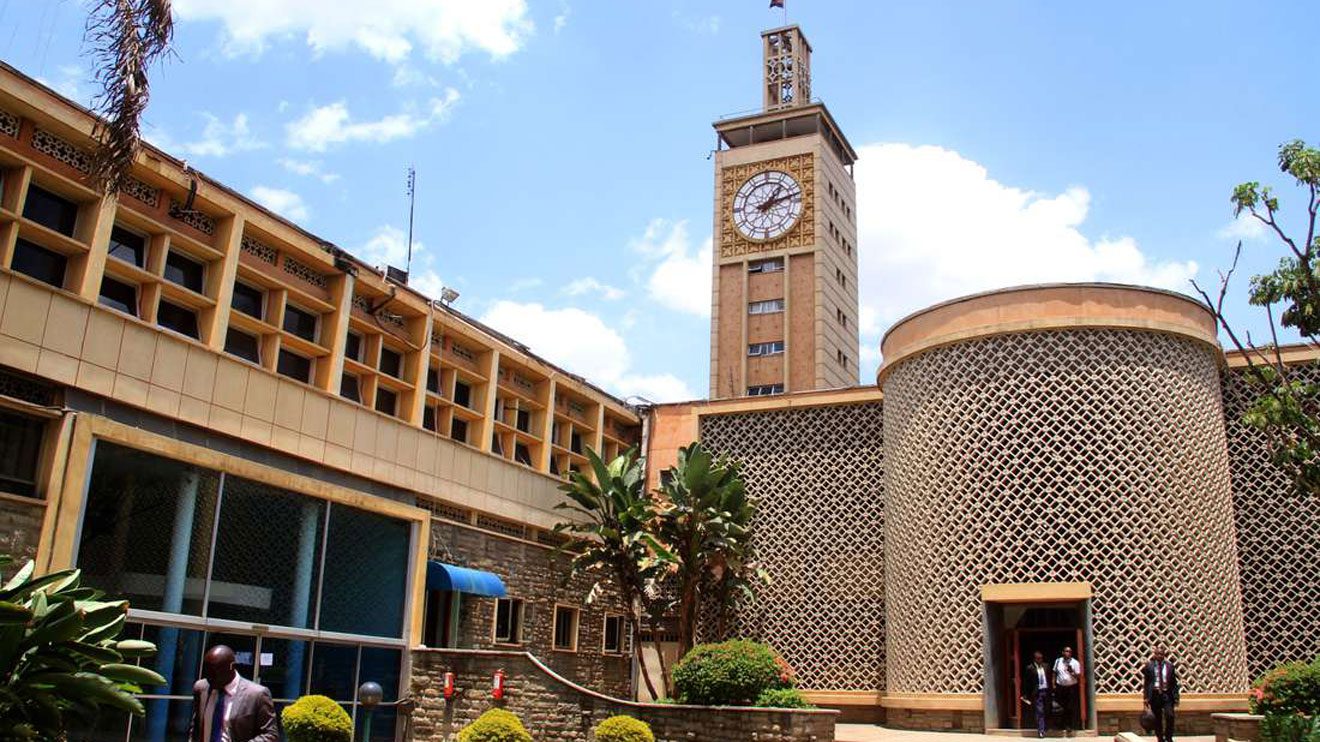
National Assembly Speaker Moses Wetang’ula committed the petition to the Public Petitions Committee for consideration in accordance with parliamentary procedures.
“I hereby commit the Petition to the Public Petitions Committee for consideration pursuant to Standing Order 208A,” Wetang’ula said.
The association alleges that some Mogo Auto customers have been subjected to high interest rates and additional charges, which it says have increased the cost of financing motorcycles and contributed to financial difficulties among borrowers.
It is also calling for an examination of how loan terms, repayment obligations, interest rates and other charges are disclosed to customers before financing agreements are entered into.
According to the petition, inadequate disclosure may have prevented some borrowers from fully understanding the financial obligations attached to their motorcycle loans.
The association wants Parliament to determine whether Mogo Auto complies with the regulatory framework governing lending and asset financing, including applicable requirements under the Central Bank of Kenya framework.
The petition also raises concerns over the ownership of motorcycles financed through Mogo Auto.
The association alleges that some borrowers have made substantial repayments but have not received logbooks or other ownership documents for the motorcycles.
It further claims that some customers have made repayments exceeding the value of the motorcycles they financed but have not ultimately acquired ownership of the assets.
The association wants Parliament to investigate the financing arrangements and establish whether borrowers are adequately protected when they complete their repayment obligations.
The petition further accuses the lender of using what the association describes as unfair, intimidating and oppressive recovery measures against borrowers who default.
It alleges that motorcycles can be repossessed soon after borrowers fall into default, raising questions about the procedures followed before assets are recovered.
The association is asking Parliament to examine whether Mogo Auto’s repossession practices comply with existing laws and regulations governing asset financing and consumer protection.
The association has also asked Parliament to scrutinise the use of tracking devices installed on financed motorcycles.
It wants the committee to establish how the devices are used, how information collected through them is handled and whether borrowers are adequately informed about the tracking arrangements.
The petition alleges that some stolen motorcycles fitted with tracking devices have not been recovered, prompting calls for Parliament to examine the effectiveness and management of the tracking systems.
Insurance arrangements linked to financed motorcycles are another area the association wants investigated.
It alleges that some borrowers continue to be pursued for repayment even after insurance compensation has been paid following the theft of financed motorcycles.
The petition further claims that some borrowers have subsequently faced adverse credit listings despite insurance compensation having been paid for the affected assets.
The association wants Parliament to examine the procedures used in processing insurance claims and determining the obligations of borrowers after an insured asset is stolen, lost or involved in an accident.
The association has also raised concerns over the collection, processing, storage and sharing of customers’ personal information.
It wants Parliament to investigate whether Mogo Auto’s handling of borrowers’ personal data complies with the Data Protection Act, 2019.
The petition seeks scrutiny of the information collected from borrowers, how long it is retained, who has access to it and whether customers are adequately informed about how their data is used.
Gichira said the association had previously attempted to have the grievances addressed through engagement with relevant parliamentary bodies.
The petition claims that the association had engaged the National Assembly’s Departmental Committee on Finance and National Planning over some of the complaints.
However, it alleges that Mogo Auto failed to attend committee sittings convened to consider the grievances.
The association has now asked Parliament to conduct a comprehensive investigation into the company’s operations and establish whether it complies with laws and regulations governing lending and asset financing.
The bodaboda association wants the National Assembly to recommend legislative, regulatory and administrative measures to protect motorcycle riders and other borrowers from what it describes as exploitation, intimidation and unfair business practices.
It is seeking reforms that would strengthen transparency in asset financing, improve disclosure of loan terms, protect borrowers’ personal information and provide clearer safeguards around repossession and insurance claims.
The petition comes at a time when motorcycle financing remains an important source of access to assets for thousands of bodaboda operators and other small-scale entrepreneurs who may not have access to conventional bank financing.
Wetang’ula said Article 119 of the Constitution gives every person the right to petition Parliament on matters within its authority.
He subsequently committed the petition to the Public Petitions Committee under Standing Order 208A.
The committee is required to consider the complaints and report its findings and recommendations to the National Assembly and the petitioner in accordance with Standing Order 227(2).
Reporting originally appeared via Kahawa Tungu. Read the full source for additional context.