Canada-US Trade Talks Intensify Ahead of Midnight Deadline Amid Tariff Threats
Ottawa faces political headwinds and economic anxieties as negotiators race to finalize an agreement with the Trump administration.
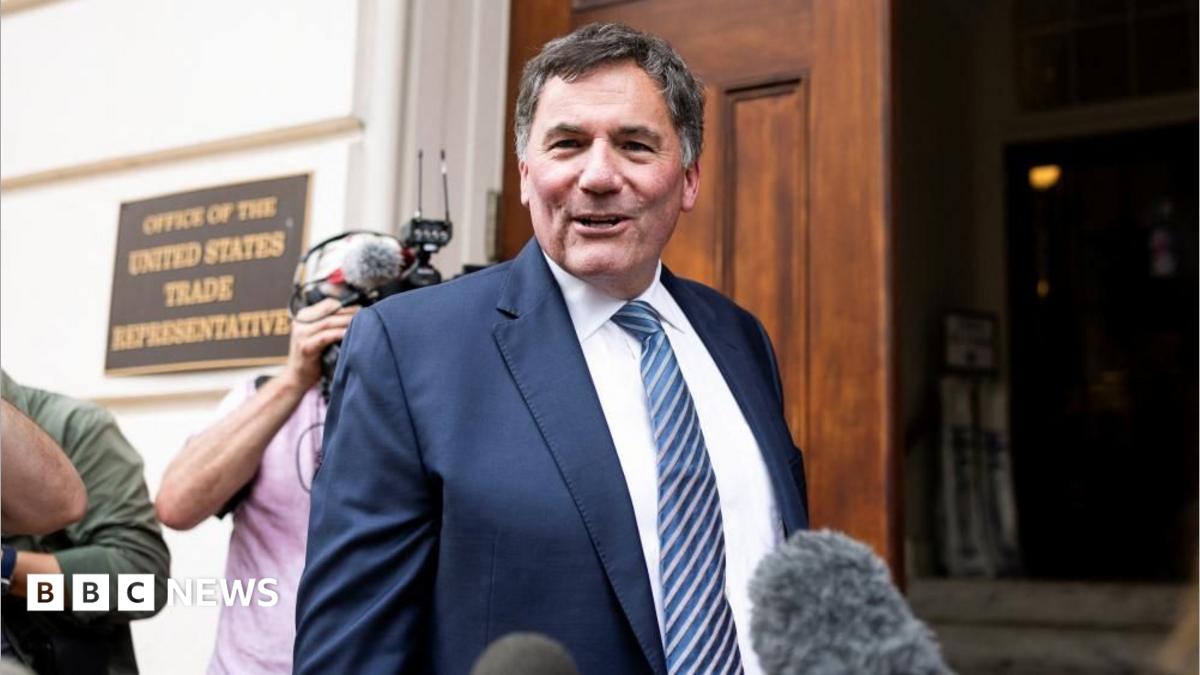
Canadian trade minister Dominic LeBlanc declared that "more work" remained as negotiators pushed toward a critical midnight deadline to secure a provisional trade agreement with the US. Exiting extended discussions with American counterparts in Washington late Friday, LeBlanc emphasized their commitment, stating, "We're going to continue working up until the last minute... Our job is not finished." The outcome of these intense negotiations is poised to determine whether Canada can avert a new wave of punitive US tariffs across a broad spectrum of its exports.
The protracted talks saw LeBlanc engage for approximately eight hours with US Trade Representative Jamieson Greer and other officials, marking one of the longest sessions as the deadline approached. Despite the urgency, President Donald Trump offered a measured update on Friday, indicating that a deal was "moving along" and expressing confidence in reaching an agreement with Canada, while also highlighting his focus on securing "much better" deals for the US. While the full framework remains unconfirmed, leaked details suggest the US is prepared to reduce tariffs on Canadian steel and aluminum from 50% to 25%, and on automobiles from 25% to 15%. In return, Canada is reportedly considering increased market access for American dairy producers, the removal of its own retaliatory tariffs against the US, and the restoration of American alcohol sales.
Domestically, the potential terms of the deal have already sparked considerable criticism. Conservative opposition leader Pierre Poilievre condemned any agreement that includes "one-sided" tariffs on Canadian industries as "a bad deal." He voiced particular concern over the potential "de-industrialisation of our economy" if key sectors were subjected to such tariffs, reflecting a broader anxiety about preserving national industrial capacity.
Prime Minister Mark Carney faces a challenging task in securing provincial buy-in, particularly as the restoration of US alcohol sales is reportedly tied to tariff reductions. Manitoba Premier Wab Kinew urged Canada to "fight" for favorable terms rather than making hasty concessions. Quebec Premier Christine Fréchette, whose province is a dairy powerhouse, indicated she was thoroughly analyzing the deal's implications for local farmers before committing to alcohol sales. While premiers from Nova Scotia and the Yukon territory expressed readiness to restore US alcohol sales, Ontario's outspoken Premier Doug Ford has yet to comment publicly. Meanwhile, Mayor Matthew Shoemaker of an Ontario city home to Canada's second-largest steel producer expressed alarm, telling CBC that a deal retaining 25% tariffs on steel "wouldn't be something to celebrate" and voiced worry about negative community impacts.
The pressure on Prime Minister Carney is immense, with businesses and stakeholders urging a resolution to avert an additional 50% tariff threatened by Trump on a range of Canadian goods, from hockey equipment to wine and cement. Economist Trevor Tombe of Calgary estimated in a Thursday analysis that such new tariffs could result in 90,000 job losses, underscoring the high economic stakes. This situation presents a significant test for Carney, who campaigned on an "elbows-up" approach to negotiations with Trump, yet now faces public sentiment, with a Leger poll indicating 56% of Canadians desire a hardline stance and would be dissatisfied with significant concessions.
Adding another layer of complexity, US Vice-President JD Vance reportedly told attendees at a private fundraiser on Wednesday, in a leaked audio recording, that Carney had attempted to "out-tough Donald Trump" in the trade discussions. Vance reportedly characterized Carney's eventual presentation of the deal as a "victory for Canada" as "hilarious," given that "they climb down on a lot of issues." This dynamic of high-stakes trade negotiations, domestic political pressures, and international posturing is a familiar one across the globe, including for East African and broader African nations as they navigate their own regional and bilateral trade agreements, striving to protect nascent industries while fostering economic growth.
The ongoing saga highlights the intricate balance leaders must strike between national economic interests, public opinion, and the realities of international diplomacy, as reported by BBC News.