NTV Kenya: Tanzania court rules Lissu has case to answer in treason trial
This story has significance for readers across Kenya and beyond.
Tanzania court rules Lissu has case to answer in treason trial
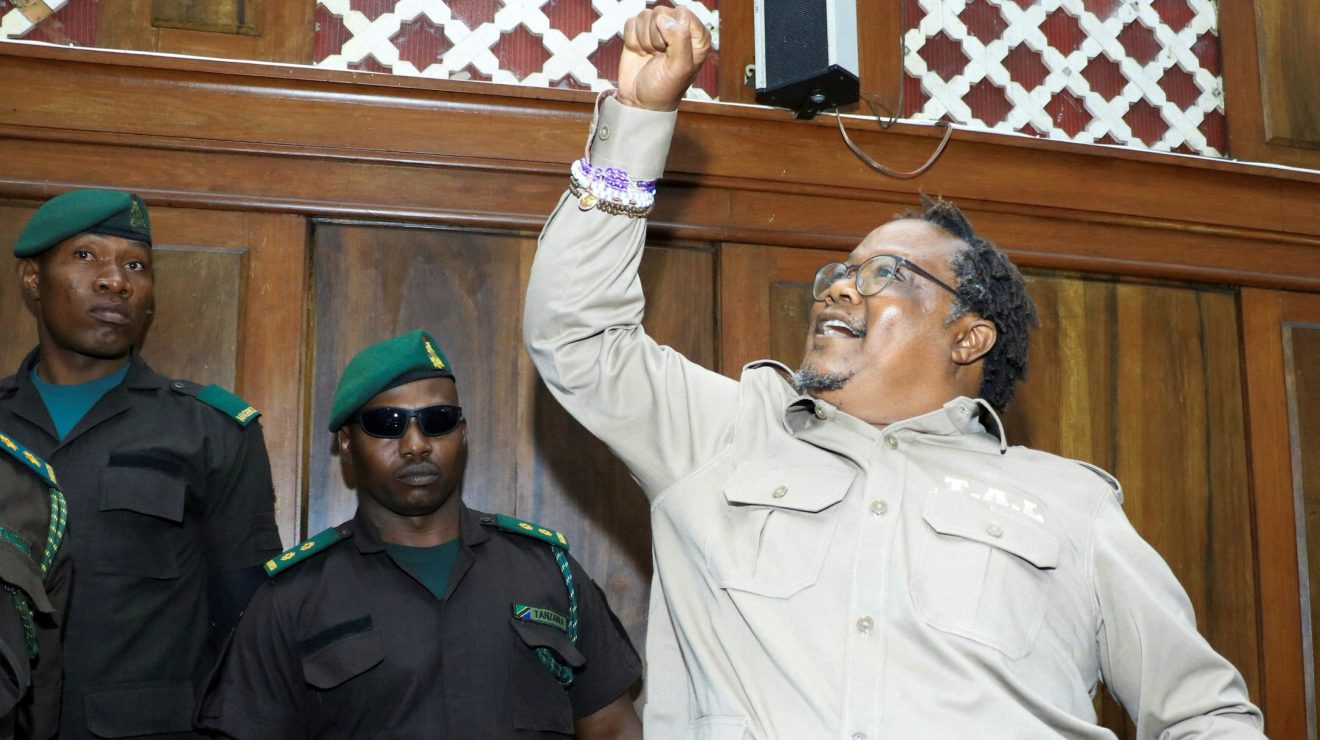
Tanzania’s High Court has ordered opposition leader Tundu Lissu to open his defence in a treason trial after finding that prosecutors had presented enough evidence for him to answer the charge.
The decision on Friday, August 21, 2026, by a three-judge panel at the High Court’s Dar es Salaam Sub-Registry means Lissu, who has been in detention for 14 months, will now go on trial.
Presiding judge Dunstan Ndunguru said the court had considered the evidence presented by the prosecution and submissions by the defence on whether the accused had a case to answer.
Lissu, who is the chairman of the opposition party Chadema, is facing a treason charge under Section 39(2)(d) of the Penal Code, Revised Edition 2023. The penalty, if found guilty, could be as high as death.
The charge stems from statements he allegedly made during a Chadema meeting at the party’s headquarters in Dar es Salaam on April 3, 2025, concerning the party’s decision not to participate in the 2025 General Election and its alleged intention to prevent the election from being held.
The prosecution alleges that Lissu, a Tanzanian citizen, incited the public to prevent the election by making statements aimed at exerting pressure on the head of the Tanzanian Government.
Among the statements attributed to him are: “If they say this position amounts to rebellion, it is true … because we are saying we will stop the election, we will mobilise rebellion … that is how we will bring change … we are going to make things happen … we will disrupt this election for real … we are going to make things happen very badly.”
However, at the current stage of the proceedings, the court said it was not required to conduct a detailed assessment of the evidence or determine its credibility.
Instead, he said, the court’s task was to establish whether the prosecution had presented sufficient evidence that, if left unchallenged, could support a conviction.
The court considered three essential elements of the offence of treason that the prosecution was required to establish.
One of those elements was the accused’s allegiance to the United Republic of Tanzania.
Judge Ndunguru said the issue was not in dispute because Lissu had acknowledged that he was a Tanzanian citizen and therefore owed allegiance to the United Republic.
The judge also referred to evidence presented by the prosecution, including testimony from its 17th witness, who was present at the meeting where Lissu allegedly made the statements.
According to the court, the prosecution’s evidence established a sufficient link between Lissu and the allegations contained in the charge sheet.
“Therefore, this court finds that the accused has a right to defend himself against the evidence presented by the prosecution,” Judge Ndunguru said.
The ruling marks the transition of the case to the defence stage, where Lissu will have an opportunity to respond to the prosecution’s allegations and present evidence in his defence.
The treason case arises from political tensions surrounding Tanzania’s 2025 General Election, following Chadema’s position against participating in the polls unless the government implemented what the party described as key electoral and political reforms.
Lissu was subsequently charged with treason over statements prosecutors allege were intended to prevent the election from taking place.
The High Court’s latest ruling means Lissu may remain in custody for longer. He had initially attacked the detention, arguing the prosecution had failed to put evidence on the crime he is alleged to have committed.
The trial will therefore proceed to the defence stage, after which the court will determine guilt.
Paradise Lost peeks through the story of Louis Otieno, the times, and everything in between.
Reporting originally appeared via NTV Kenya. Read the full source for additional context.